Iqra
Home Our Story Our Approach Learning Zones Campus Life Admissions Admissions Open
Our Philosophy

Childhood should never be rushed.

At Iqra International School we believe children learn best when they feel safe, respected, loved and inspired. Learning should feel meaningful and human, Islam should be lived naturally rather than forced, and calm environments should create calm minds.

“The environment itself should teach.”

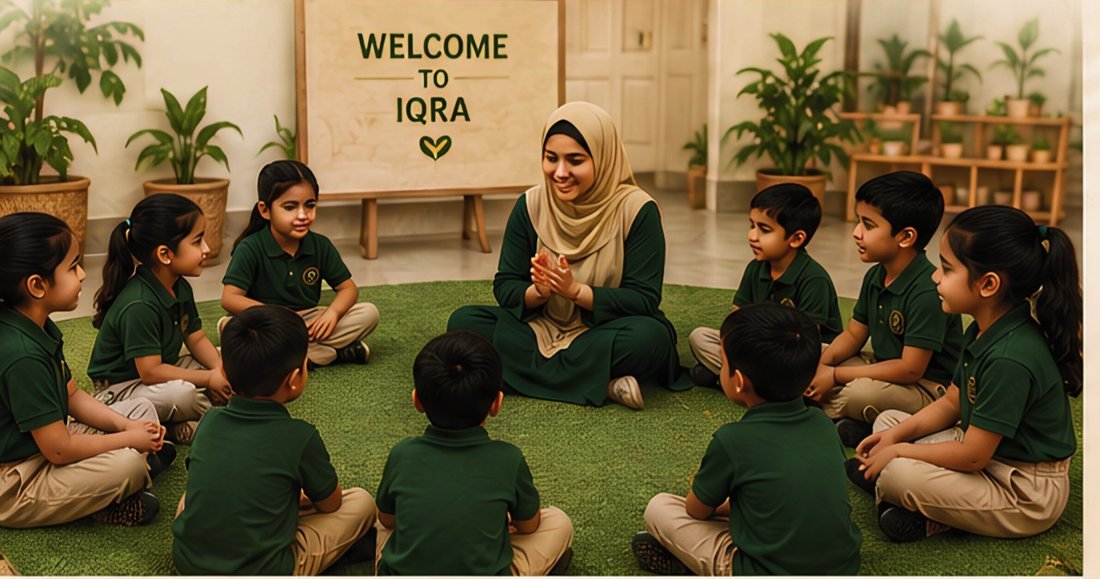
A teacher leading a morning circle with children seated on the grass
What Guides Us

Four beliefs behind every ordinary day.

Hands on

Activity-based learning

We foster curiosity and joy through hands-on projects, real-world exploration, and collaborative, experiential learning.
Concept first

Academic excellence

We prioritise concept-based, SLO-aligned learning that builds critical thinking and confidence without unnecessary exam pressure.

Quran & Sunnah

Character building

Children develop core Islamic values, ethics and compassion inspired directly by the teachings of the Quran and Sunnah.

Whole child

Holistic development

We nurture every child's intellectual, physical and spiritual growth through sports, arts, leadership and meaningful life experiences.

Our Core Philosophy

The environment itself becomes the teacher.

  • Child development through structure & love
  • Calm environments create calm minds
  • Learning should feel meaningful and human
  • Islam is lived naturally — not forced
  • The environment itself becomes the teacher

Six foundations we are built on

1

Philosophy & Identity

2

Operational Systems & SOPs

3

Cultural Flow & Routines

4

Curriculum Integration

5

Teacher Training Framework

6

Parent Partnership Model

The Seven Pillars

Seven pillars hold up every day.

Nothing here is an add-on or an after-school extra. Each pillar shows up somewhere in every single school day.

1

Islamic Character

Faith, adab and gratitude woven into daily life

2

Practical Life Skills

Independence through real-world activities

3

Nature-Based Learning

Gardens, farms and outdoor exploration

4

Emotional Intelligence

Self-regulation, empathy and connection

5

Language & Communication

Arabic, Urdu, English — naturally integrated

6

Creativity & Exploration

Open-ended play and discovery

7

Physical Independence

Movement, responsibility and confidence

Pupils polishing shoes and folding clothes
Practical life skills
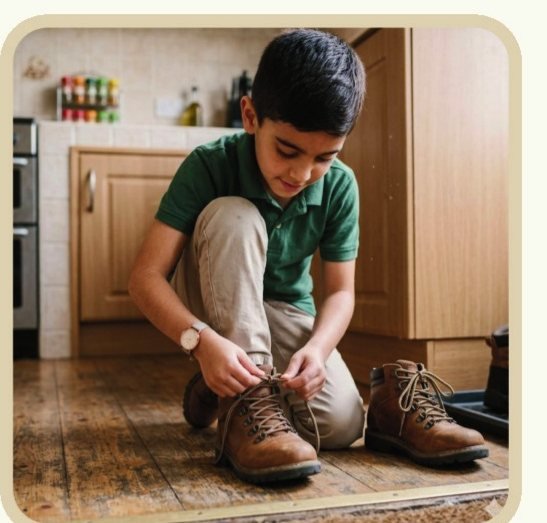
A pupil tying their own shoelaces
Independence
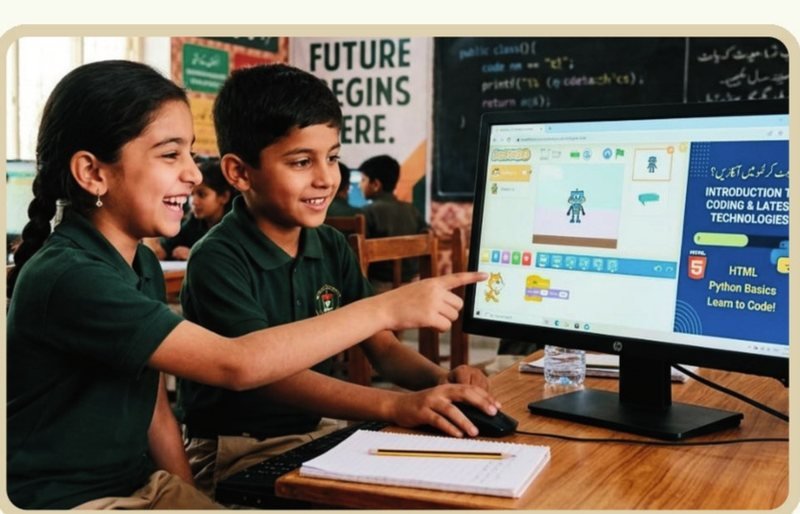
Two pupils working at a computer on a coding lesson
AI & STEM coding
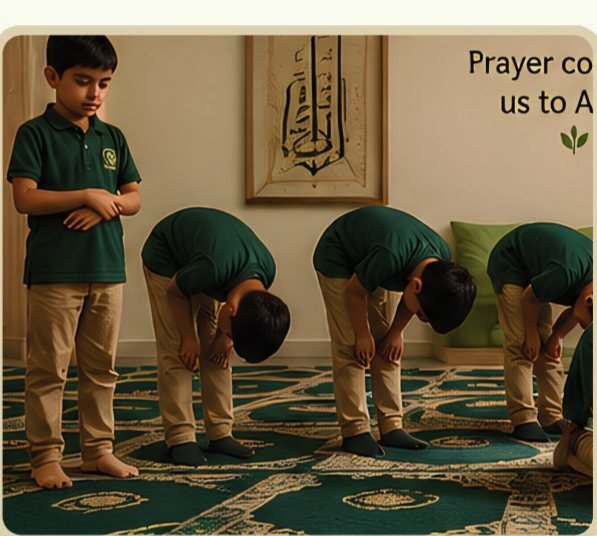
Children praying together in the prayer room
Islamic character
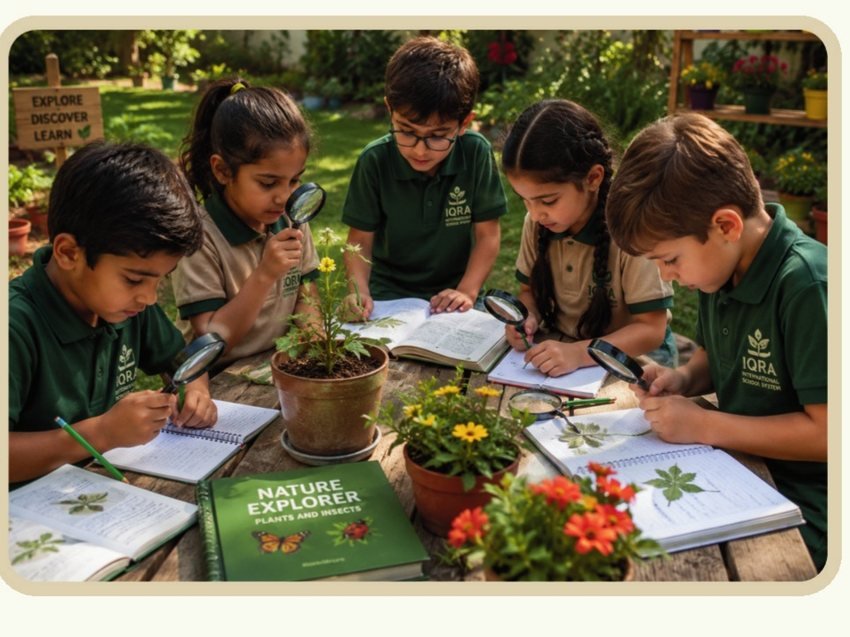
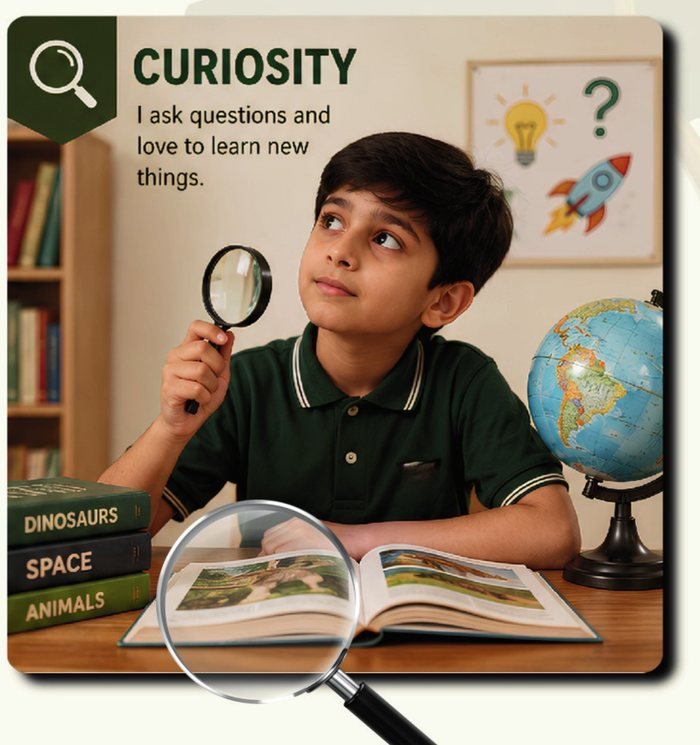
Children studying plants with magnifying glasses and nature journals
Nature-based learning
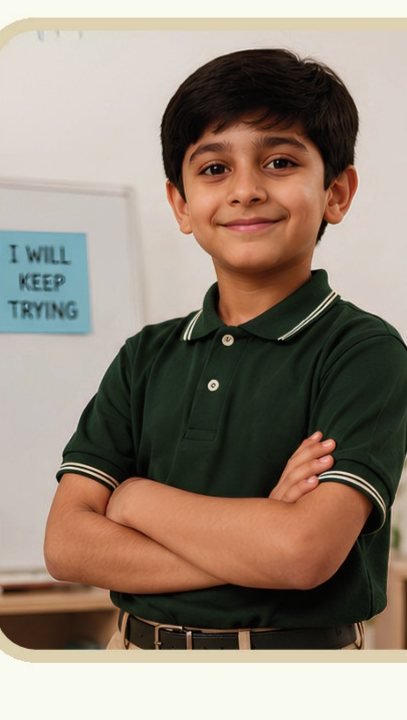
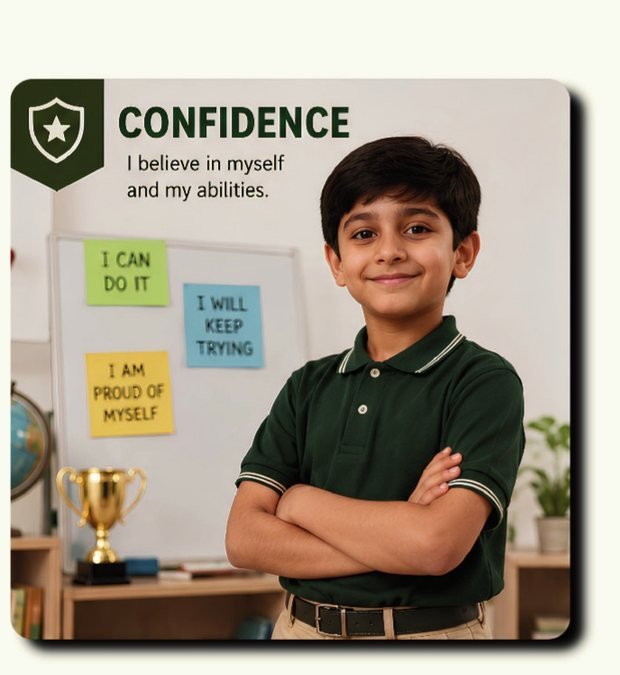
A pupil standing confidently with arms folded
Confidence
What We Teach

The lessons traditional schools often skip.

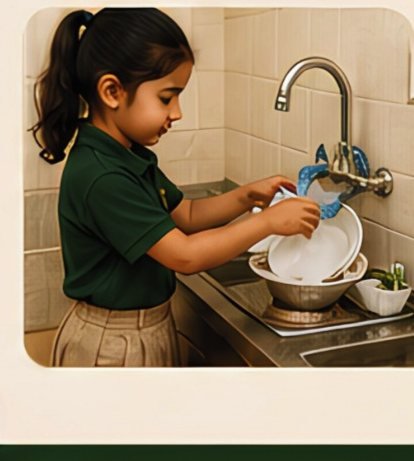
A pupil washing dishes at the practical life sink
One

Practical life skills

  • Mopping and cleaning
  • Tying shoelaces and self-care
  • Food preparation and table setting
  • Organising clothes and belongings
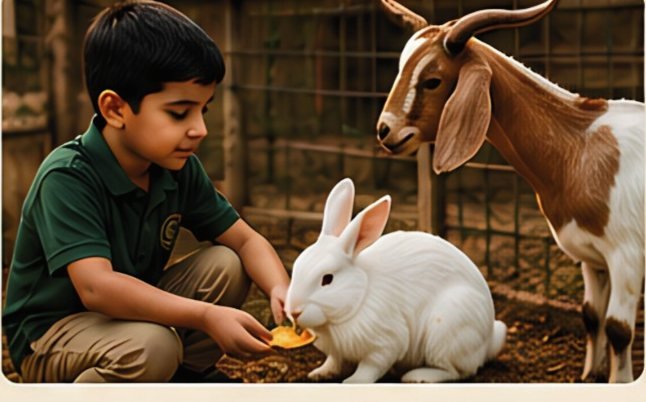
A pupil feeding a rabbit beside a goat in the animal care zone
Two

Nature based learning

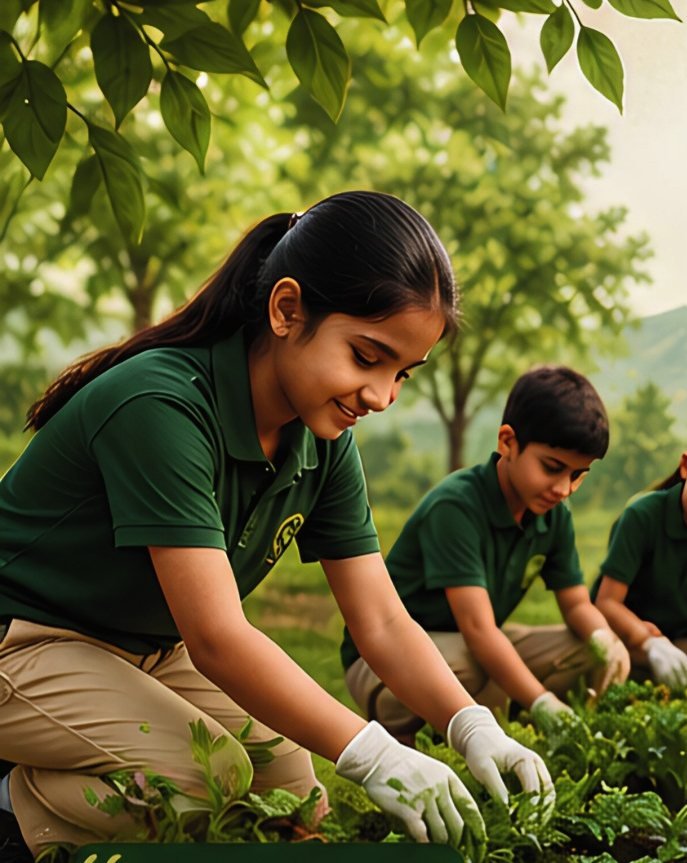
  • Taking care of plants
  • Feeding and caring for animals on campus and outdoors
  • Establishing indoor gardening projects
  • Studying insects and birds
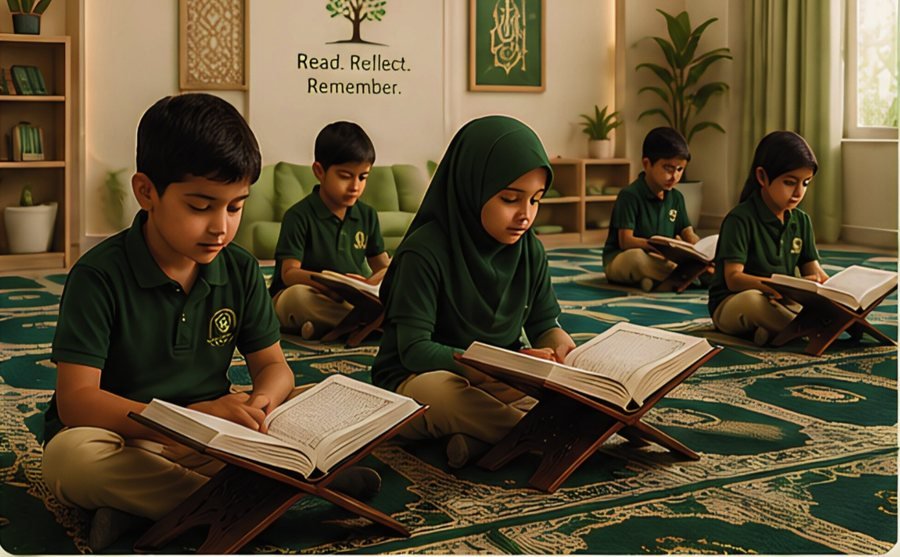
Pupils reading the Quran on rehal stands
Three

Faith & deen

  • Nazra and Quran learning
  • Focus on the practical implementation of Islamic values
  • Teaching Akhlaq through stories
A senior pupil helping younger children plant in the school garden

Six things that make us a natural school.

  • A natural school — a green, healthy place where children learn by playing outside and connecting with nature.
  • Real Montessori — an environment where children learn independently, building confidence and self-reliance.
  • No stress, no exams — a "no homework" and "no exams" policy, so children enjoy learning without unnecessary pressure.
  • Islamic values — strong character built on the beautiful teachings of the Quran and Sunnah.
  • Complete growth — a campus designed for physical development, creative expression and spiritual growth.
  • AI and STEM coding — STEM, AI and coding concepts to prepare children for a bright digital future.
Rotational Learning

Every zone. Every day.
Every child.

At Iqra, children learn best when they experience a variety of environments and activities throughout the day. Our rotational model gives every child the chance to explore, discover, practise and grow in all areas of development.
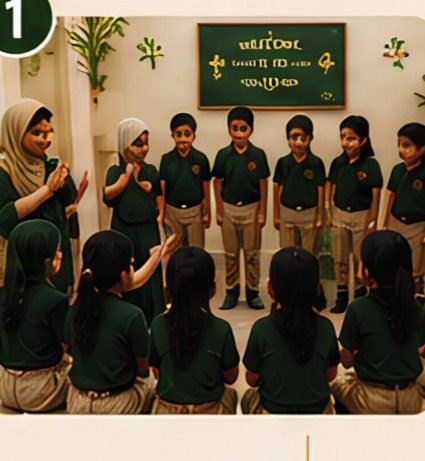
  1. Children lined up for morning assembly and greeting
    Zone One

    Welcome Zone — assembly & greeting

    8:30 – 9:00 AM

    We start the day with greetings, du'a, attendance, morning circle, announcements and positive reminders. Children feel welcomed, connected and ready to learn.
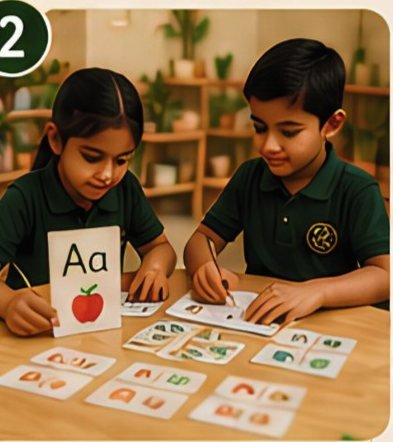
  2. Two pupils working with phonics cards at a table
    Zone Two

    Literacy Zone — language learning

    9:00 – 10:00 AM

    Children build strong foundations in English and Urdu through phonics, reading, writing, speaking and vocabulary.
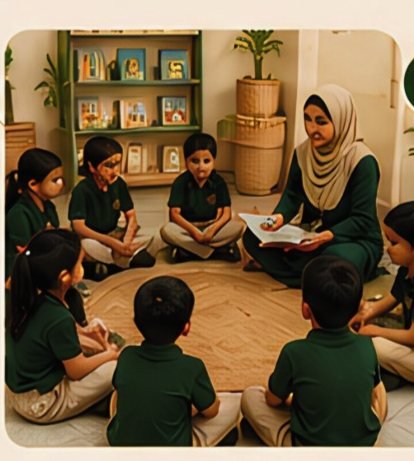
  3. A teacher reading a storybook to a circle of children
    Zone Three

    Story & theme exploration zone

    10:15 – 11:00 AM

    We explore stories, themes, values and the world around us through storytelling, discussions, role play, songs and activities.

  4. A pupil washing dishes at the practical life sink
    Zone Four

    Practical life skills zone

    11:00 AM – 12:00 PM

    Children learn daily life skills through real experiences like eating, washing dishes, cleaning, organising and taking responsibility.
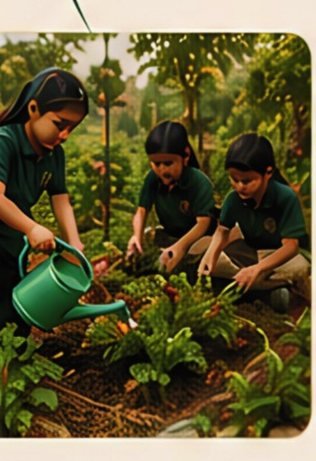
  5. Children watering plants in the outdoor garden
    Zone Five

    Outdoor activities zone

    12:00 – 1:00 PM

    Fresh air, movement and nature play help children develop physical skills, teamwork, creativity and a love for nature.
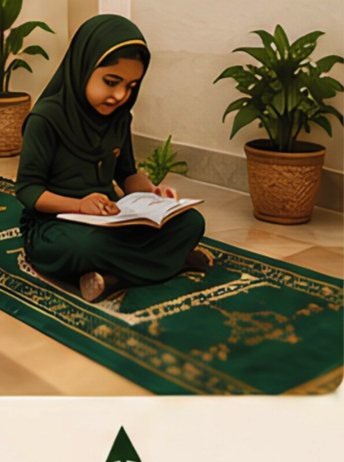
  6. A pupil reading quietly on a prayer mat
    Zone Six

    Namaz & calm zone

    1:00 – 1:30 PM

    We end the day with prayer, quiet reflection, gratitude and mindfulness. Children calm their hearts and strengthen their connection with Allah.

How rotational learning works

  • Children move through different learning zones in a structured rotation throughout the day.
  • Each zone is carefully designed to develop specific skills and strengthen overall growth.
  • Teachers guide, support and observe children in every zone.
  • This balance keeps learning joyful, engaging and meaningful.

When children experience a variety of activities and environments, they grow into confident, capable and compassionate individuals.

A teacher leading a welcome circle with children on the grass
The Outcome

What kind of child will emerge?

1

Confident

Believes in their purpose

2

Compassionate

Cares for others

3

Curious

Asks and explores

4

Responsible

Takes ownership of their choices

5

Faithful

Strong in faith and character

6

Creative

Thinks independently with creativity

7

Adaptable

Ready and prepared for life

A pupil standing proudly by a wall of affirmations
Confidence
A pupil with a magnifying glass over an open book
Curiosity
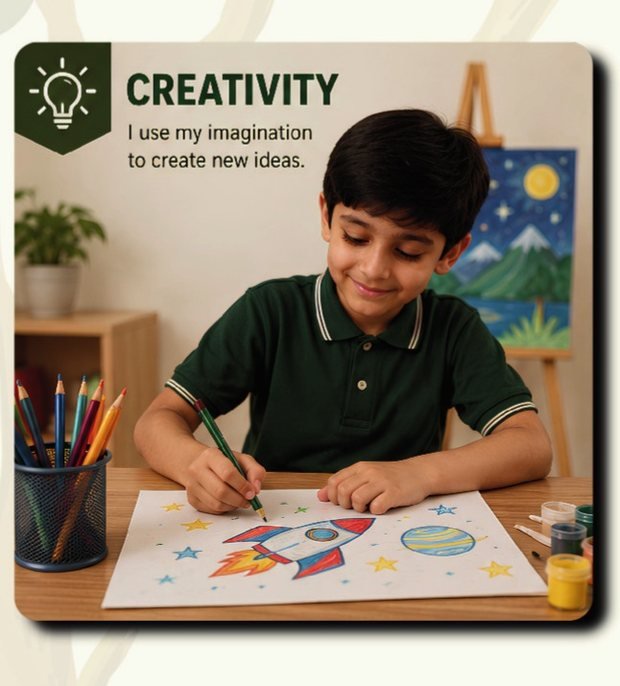
A pupil drawing a rocket at their desk
Creativity
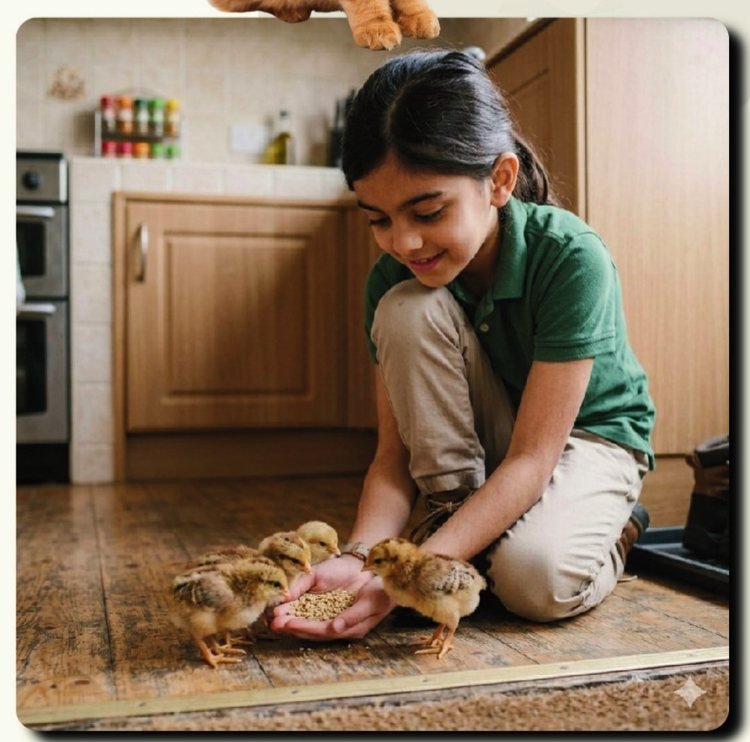
A pupil gently caring for chicks at home
Compassion
Explore the Learning Zones Book a Campus Visit
Nurturing minds · Caring hearts · Building futures · Organic nature